Brand & Creative Strategy
10 Comedic Content Frameworks for Plant-Based Challenger Brands
June 14, 2026
27 min read

Comedy can help challenger food brands earn attention, lower skepticism, and give people a reason to share. The point is not to be funny at all costs; it is to choose a repeatable comedic premise that makes a real product truth easier to remember.
For plant-based brands, comedy is more than just a way to get a laugh; it is a sophisticated tool that serves three critical strategic functions. First, it disarms skepticism. The category is fraught with consumer apprehension about taste, texture, price, and perceived “preachy” messaging from its advocates. Humor acts as a social lubricant, lowering the defensive barriers of skeptical consumers and making the brand’s message more palatable and approachable. A campaign that can laugh at itself, or at the stereotypes surrounding its category, invites the consumer in rather than talking down to them. PETA’s “I’ll Never Go Vegan” ad, which humorously depicts people’s surprising conversions, addresses this skepticism head-on by acknowledging the audience’s potential reluctance.
Second, comedy simplifies the complex. The science behind plant-based nutrition, the nuances of environmental impact, and the technology of food production can be dense and intimidating topics for the average consumer. Humor provides a vehicle for distilling these complex messages into memorable, digestible, and highly entertaining formats. Impossible Foods, for instance, used a whimsical musical ad to explain that their meat is made from plants, transforming a potentially dry educational point into a catchy and shareable piece of content. By wrapping facts in fun, brands can educate without lecturing, making their core value propositions stickier and more persuasive.
Third, and perhaps most importantly, comedy builds community and identity. In a crowded marketplace, consumers are not just buying products; they are buying into a story and an identity. Humor creates a powerful “in-group” dynamic. When consumers share a laugh over a niche meme, a clever satirical ad, or a relatable sketch, they feel a sense of belonging. They are part of a tribe that is modern, intelligent, and doesn’t take itself too seriously. This transforms the consumer-brand relationship from purely transactional to one of genuine affinity and loyalty. This report serves as an exhaustive playbook, detailing 10 strategic pillars of comedic content, designed to empower plant-based marketing teams to move beyond simple advertising and build a truly resonant brand.
The Strategic Comedy Matrix
Use this quick map to choose a comedic approach based on the audience tension you need to resolve, the level of production you can support, and the behavior you want the work to earn.
Choose the comedic lane that fits the job
Disruptive satire — Reframe a stale category convention when awareness and positioning are the priority.
Viral sketch comedy — Turn a familiar audience frustration into a repeatable social scenario.
Educational humor — Explain a misconception without making the viewer feel corrected or talked down to.
Aesthetic and whimsical humor — Use visual craft to make the product feel surprising, desirable, and shareable.
Cultural currency — Join a live conversation only when the brand has a credible angle and the pace to respond well.
Pop-culture resonance — Borrow a recognizable reference to earn fast comprehension, then add a point only your brand can make.
Unscripted authenticity — Build trust around a real reaction, demonstration, or moment that does not need overproduction.
Community co-creation — Invite the audience to shape the joke, the prompt, or the next iteration of the work.
Character-driven comedy — Give the brand a recurring voice that can carry multiple stories over time.
Theater of the absurd — Commit completely to one strange, product-relevant premise and let the contrast do the work.
Part 1: Disruptive Satire - Subverting the Status Quo
“Anti-Marketing” as a Trust Signal
Our Blades Are F***ing Great”un-slick. They subvert expectations by acknowledging the inherent absurdity of the advertising process itself. This creates a powerful meta-narrative: “We know this is an ad, you know this is an ad, so let’s drop the pretense and just be honest.” This disarming honesty builds a level of trust and rapport that a perfectly polished, conventional advertisement simply cannot achieve. For a plant-based brand, this is invaluable. It allows the brand to sidestep the “preachy vegan” stereotype and align itself with a savvy, culturally aware consumer who values authenticity over artifice. The brand is no longer just selling a product; it is selling a worldview that rejects corporate artifice and embraces transparency.
1.1 Parodies of Competitor Ad Tropes
YouTube Example: Oatly - “Wow No Cow”
Strategic Insight: This ad is a direct and brilliant lampoon of the earnest, pastoral imagery ubiquitous in traditional dairy advertising. The low-fidelity execution, the slightly awkward presence of the CEO, and the repetitive, simple song are all deliberate choices that create a stark contrast with the high-budget, emotionally manipulative ads of legacy brands. It makes the competition look outdated and out of touch.
Plant-Based Application: A brand could create a series of short ads that mimic and mock the classic tropes of meat advertising. For example, a shot-for-shot remake of a dramatic, slow-motion burger commercial, but when the burger is assembled, it’s revealed to be made of brightly colored vegetables. The actor takes a bite and, instead of a satisfied growl, gives a quizzical look to the camera.
1.6 Satirical Public Service Announcements (PSAs)
YouTube Example: Chipotle - “Back to the Start”

Strategic Insight: https://youtube.com/watch?v=S1zXGWK_knQ
Plant-Based Application: An animated PSA-style short titled “The Secret Life of Office Lunches.” It follows a sad, leftover tuna sandwich in a breakroom fridge, dreaming of a better life, before being replaced by a vibrant, happy plant-based wrap from the brand. The tone is mock-serious and poignant.
1.8 Mockumentary-Style Ads
YouTube Example: Newcastle Brown Ale - “Miners”
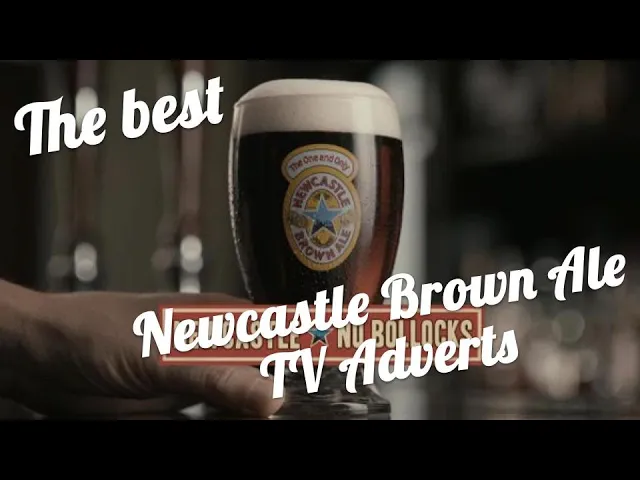
Strategic Insight: This ad adopts the serious, historical tone of a Ken Burns documentary to tell a completely fabricated and self-serving brand story. The punchline, “nothing sells beer like old footage of people who had it way worse than you do,” is a brilliant piece of self-aware satire that mocks the very nature of heritage-based marketing.
Plant-Based Application: A mockumentary about the “Great Tofu Migration of ‘98,” complete with fake historians, dramatic reenactments, and maps showing the perilous journey of tofu blocks across the country to find a better life in the brand’s new vegan quiche.
1.10 Crisis Management as Satire
YouTube Example: KFC - “FCK” Apology
Strategic Insight: When a supply chain failure left KFC without chicken, they turned a potential PR disaster into a legendary marketing win. The “FCK” ad was a masterclass in honesty, humor, and brand voice. It acknowledged the absurdity of the situation (“a chicken shop without chicken is not ideal”) and took full responsibility with a playful, edgy tone that disarmed public anger and rebuilt trust.
Plant-Based Application: If a plant-based brand faced a shortage of a key ingredient, they could run a satirical ad campaign apologizing for being “too delicious” and causing a run on the world’s supply of chickpeas. The tone would be one of mock-arrogance and feigned regret.
Part 2: Viral Sketch Comedy - The Art of Relatable Scenarios
Product Integration Over Product Placement
The key to successful branded sketch comedy lies in the distinction between product integration and mere product placement. Traditional placement often feels forced and can pull the viewer out of the story, as they recognize the “sell”. Effective integration, however, weaves the product into the fabric of the narrative as a natural plot device or a subtle element of characterization. In a workplace comedy sketch, for example, the office refrigerator is naturally stocked with the brand’s oat milk. A character choosing that milk can define them as the “trendy one” or the “health-conscious one,” adding a layer to the story without interrupting the comedic flow. The brand gains valuable screen time and positive association through the halo effect of the entertainment itself. This is a far more sophisticated and effective method than simply having a character hold the product up and smile at the camera.
2.1 Awkward Social Situations

YouTube Example: Portlandia - “Is It Local?”
Strategic Insight: This iconic sketch brilliantly satirizes the anxieties and performative nature of modern ethical consumerism. By taking a simple question—“Is the chicken local?”—to its most absurd extreme, it captures a highly relatable scenario for anyone in the “conscious consumer” space. Its specificity makes it incredibly shareable within the target demographic.
Plant-Based Application: A sketch set at a dinner party where a guest, upon learning the delicious pâté is plant-based, begins to have an existential crisis. “If this isn’t duck liver, then what is? What am I? Have I ever truly known myself?” The other guests awkwardly try to change the subject.
2.4 Parodies of Popular TV Shows or Movies
YouTube Example: CollegeHumor - “Dora the Explorer: The Movie” Trailer

Strategic Insight: This parody reimagines a children’s show as a gritty, Michael Bay-style action movie. By applying a completely inappropriate genre to a familiar piece of pop culture, it creates a hilarious and unexpected mashup that appeals to an audience who grew up with the original show.
Plant-Based Application: A parody of a dramatic cooking competition show like Chef’s Table, but the focus is on a chef who only makes different variations of your plant-based mac and cheese. The show would feature dramatic slow-motion shots, a soaring orchestral score, and tearful interviews about the “art of the vegan noodle.”
2.5 Workplace Comedies
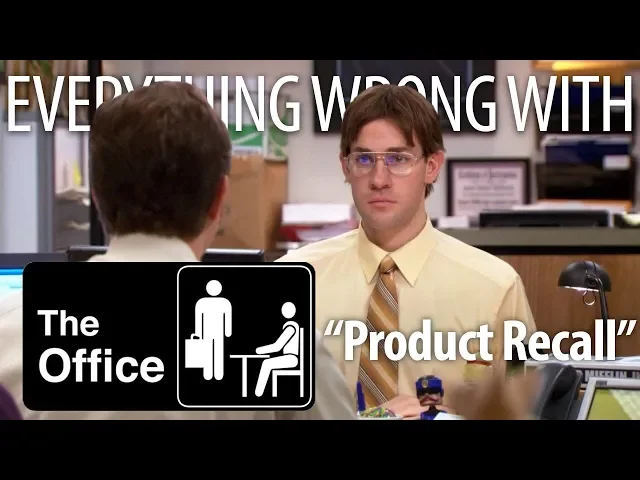
YouTube Example: The Office (US) - “Product Recall”
Strategic Insight: The workplace is a universally relatable setting, rife with familiar character archetypes and mundane conflicts that can be escalated for comedic effect. Using this format allows a brand to create an entire world of recurring characters and running gags, building an ongoing narrative that audiences can invest in over time.
Plant-Based Application: A mini-series set in the fictional office of your brand. An episode could revolve around the chaos that ensues when the office vending machine is replaced with an all-vegan one, featuring your products. The office carnivore stages a dramatic, yet ultimately pathetic, protest.
2.8 Spoofs of Cooking Shows
YouTube Example: MADtv - “Bobby Lee as a Stereotypical Chef”
Strategic Insight: This sketch spoofs not just the format of a cooking show, but the racial stereotypes often associated with them. By having the chef be completely inept and break character, it subverts audience expectations and creates a chaotic, unpredictable energy.
Plant-Based Application: A spoof of a Gordon Ramsay-style show where the angry, yelling chef is instead a sweet, encouraging grandmother who is trying to teach someone how to cook with your plant-based ground “beef.” Her compliments are just as intense as Ramsay’s insults: “IT’S PERFECTLY SEASONED, YOU MAGNIFICENT DONKEY!”
2.9 Plant-Based Food Heists
YouTube Example: Funny Or Die - “The Heist”
Strategic Insight: The heist genre has a built-in structure of high stakes, intricate planning, and a team of specialists, all of which are ripe for parody. By applying this dramatic framework to a low-stakes goal, the result is inherently comedic.
Plant-Based Application: A slick, Ocean’s Eleven-style sketch where a team of highly-trained specialists (the “safecracker,” the “tech guy,” the “distraction”) attempts to steal the last pint of your brand’s new salted caramel oat milk ice cream from a heavily-guarded community freezer.
Part 3: Educational Humor - Debunking Myths with a Smile
Humor as a Trojan Horse for Factual Information
Plant-based brands are uniquely burdened with the need to educate. They must actively combat decades of dominant marketing from the meat and dairy industries, as well as deeply ingrained cultural myths, such as the belief that one cannot get sufficient protein from plant sources alone. Presenting this corrective information through dry infographics or academic-style explanations has limited reach and can trigger cognitive dissonance in consumers who feel their current choices are being attacked. Humor acts as a Trojan horse. A funny taste-test challenge 54, a satirical animated history 55, or a witty explainer video 56 reframes education as entertainment. The viewer consumes the content for the laugh or the spectacle and absorbs the key factual information as a byproduct. The humor disarms their inherent skepticism, making them more receptive to the core message—that plant-based foods can be delicious, nutritionally complete, and environmentally beneficial. This makes the information more memorable and far more shareable than a straightforward educational asset.
3.1 Nutritional Misconceptions
YouTube Example: IFLScience - “5 Vegan Myths Debunked”
Strategic Insight: Channels like IFLScience succeed by making science accessible and fun. Using quick cuts, bold graphics, and a lighthearted tone, they break down complex topics into easily digestible and shareable content.
Plant-Based Application: An animated series called “Dr. Sprout’s 60-Second Science.” Each episode tackles one myth (e.g., “Myth: You need milk for strong bones”). Dr. Sprout, a cartoon broccoli in a lab coat, would humorously explain the science of calcium absorption from leafy greens versus dairy.
3.2 Taste Test Challenges
YouTube Example: Good Mythical Morning - “Vegan Fast Food Taste Test”
https://www.youtube.com/watch?v=DUuY_MRCV4k
Strategic Insight: The blind taste test is a powerful format because it provides what feels like empirical proof in an entertaining package. The hosts’ genuine reactions, the suspense of the reveal, and the friendly competition create a highly engaging narrative that effectively proves the point (that vegan food can be indistinguishable from its animal-based counterpart).
Plant-Based Application: A “Man on the Street” segment where people are given two identical-looking hot dogs, one made with meat and one with the brand’s plant-based sausage. After they choose their favorite, the host reveals both were plant-based. The captured moments of surprise and disbelief are the ad.
3.4 Myths About Protein Sources
YouTube Example: Mic the Vegan - “Protein Combining Myth”
Strategic Insight: While this example is more direct and educational, its friendly, non-judgmental tone and clear, simple graphics make a complex nutritional topic accessible. It replaces the intimidation of scientific jargon with the empowerment of knowledge.
Plant-Based Application: A short, funny sketch featuring two Roman gladiators preparing for battle. One is eating a huge side of beef and looks sluggish. The other is eating a bowl of lentils and beans (made with the brand’s product) and is energetic and sharp. He calmly explains the concept of essential amino acids to his confused, bloated opponent before easily winning the fight.
3.7 Environmental Misconceptions
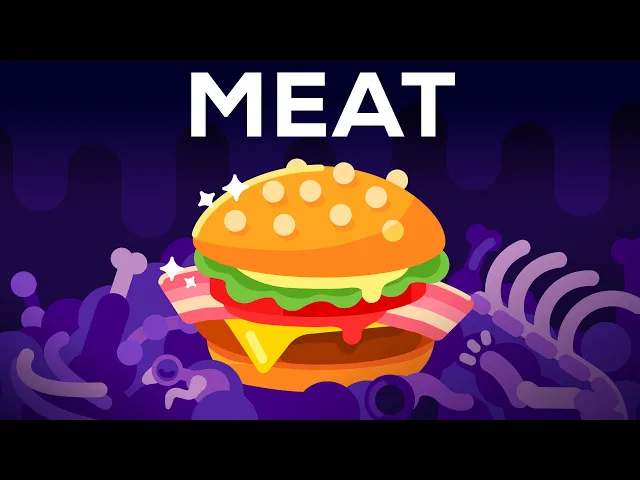
YouTube Example: Kurzgesagt – In a Nutshell - “Why Meat is the Best Worst Thing”
Strategic Insight: Kurzgesagt excels at using charming animation and a calm, authoritative voice to explain complex and often controversial topics. Their balanced approach, acknowledging the cultural joy of meat while clearly explaining its environmental cost, makes the argument more persuasive and less alienating.
Plant-Based Application: An animated short that personifies a water droplet. The droplet tells its life story, starting happily in a river before being diverted to grow animal feed, getting polluted, and finally being liberated when a family chooses the brand’s plant-based product, which requires significantly less water. The droplet’s narration would be comically dramatic.
Part 4: Aesthetic & Whimsical Humor - Captivating Through Craft
Shareability Through “Satisfying” and “Surprising” Visuals
The algorithms of modern social media platforms, particularly Instagram and TikTok, are engineered to reward content that is visually arresting and provokes a strong, immediate emotional response. Stop-motion animations, such as PES’s iconic “Western Spaghetti” 66 and “Fresh Guacamole” 9, are prime examples of this phenomenon. They are inherently “satisfying” to watch, and the clever transformation of unexpected everyday objects into food components provides a delightful surprise that viewers feel a compulsion to share. This form of visual storytelling transcends language and cultural barriers, giving it global appeal. For a food brand, this is a perfect strategic fit. By turning their own ingredients into whimsical art—for instance, creating a landscape from vegetables as Carl Warner does 67, or animating a recipe step-by-step—they create content that is not only beautiful but also directly and novelly showcases the product. The brand becomes synonymous with craft, creativity, and simple joy.
4.2 Miniature Worlds
YouTube Example: PES - “Western Spaghetti”
Strategic Insight: This video is a masterclass in visual wit and a pioneer of the stop-motion cooking genre. It creates a complete, unexpected world from everyday objects, with the humor stemming from the cleverness of the substitutions (e.g., a Rubik’s Cube for ground meat, pin cushions for tomatoes). It’s a testament to how creativity can make the mundane magical.
Plant-Based Application: A stop-motion video showing a “construction site” where tiny toy bulldozers and cranes are building a magnificent sandwich using the brand’s plant-based deli slices as steel beams and vegan cheese slices as window panes.
4.6 Time-Lapse Food Preparation
YouTube Example: Jamie Oliver - “Stop Motion Cooking”
Strategic Insight: Time-lapse and stop-motion make the laborious process of cooking appear quick, effortless, and magical. The visual rhythm of ingredients appearing and transforming is inherently satisfying and holds viewer attention.
Plant-Based Application: A visually stunning time-lapse of a complex vegan baking recipe, like a multi-layered cake using the brand’s egg replacer and butter. The video would be set to upbeat music, showing ingredients flying into the bowl and the cake rising and decorating itself in seconds.
4.10 Artistic Ingredient Combinations
YouTube Example: LUSH - “Fresh Handmade Cosmetics” Stop Motion
Strategic Insight: LUSH excels at showing the beauty of their raw ingredients. Stop-motion videos that depict fresh fruits, clays, and oils being artfully combined highlight the natural, handmade quality of their products in a visually compelling and transparent way.
Plant-Based Application: A stop-motion video showcasing the vibrant, colorful plant ingredients that go into the brand’s products. Spices could form intricate patterns, liquids could swirl together in beautiful ways, and vegetables could be sliced to create mesmerizing kaleidoscopic effects, all set to music.
Part 5: Cultural Currency - Riding the Wave of Memes and Trends
The Imperative of Speed and Authenticity
Unlike traditional campaign development, which can take months, meme-based marketing operates on a timeline of hours or days. The lifecycle of a meme is notoriously short, and a brand that jumps on a trend a week late appears out of touch. The key is to have a nimble social media team empowered to act quickly. Furthermore, authenticity is paramount. The audience can instantly detect when a brand is awkwardly forcing a meme or misunderstanding the context. The humor must feel native to the platform and true to the brand’s voice. Brands like Wendy’s have excelled at this by adopting a consistent, witty persona that allows them to participate in trends without seeming like they are pandering. For plant-based brands, this is an opportunity to showcase a playful, modern personality and connect with a younger demographic on their own turf.
5.2 Classic Meme Formats
YouTube Example: Drakeposting
Strategic Insight: Drakeposting is a simple, two-panel format used to express preference. Its visual language is instantly understood across the internet. Its enduring popularity comes from its straightforward and highly adaptable structure, allowing users to apply it to any topic imaginable.
Plant-Based Application: A Drakeposting meme. The top panel shows Drake looking away in disgust from a picture of a sad, wilted salad with the text “What my friends think I eat.” The bottom panel shows Drake smiling and pointing at a picture of the brand’s loaded vegan nachos with the text “What I actually eat.”
5.3 Trending TikTok Challenges
YouTube Example: The Harlem Shake
Strategic Insight: The Harlem Shake was a viral phenomenon built on a simple, replicable formula: a lone dancer, a sudden beat drop, and then chaotic group dancing. Its success demonstrates the power of participatory trends that are easy for users to recreate and put their own spin on.
Plant-Based Application: The brand’s social media team participates in a current TikTok dance or audio trend. The video could take place in their office kitchen, with employees dancing while holding various products. The key is to participate authentically, not to make the video a hard sell.
5.6 Plant-Based Food Puns
YouTube Example: Funny Food Puns
https://www.youtube.com/playlist?list=PLia0F9Sr8Q6SsqOCanxNAoUVW82x_UxWK
Strategic Insight: Puns are a simple and timeless form of humor. While they may elicit groans, they are also highly memorable and shareable, especially in a visual format. They are a low-effort way to create lighthearted, brand-relevant content.
Plant-Based Application: A series of simple, graphic-based posts on Instagram with food puns. For example, a picture of the brand’s product with the text “I’m soy into you,” “You’ve got to be oating me,” or “This is un-bean-lievable.”
Part 6: Pop Culture Resonance - Borrowing Equity from the Familiar
The Power of the Unexpected Twist
The success of pop culture parody lies in the masterful execution of the twist. Simply recreating a famous scene is not enough; the brand must add a new, humorous layer that justifies the reference. This could be by recasting a dramatic scene with absurd characters, changing a famous line of dialogue to be about plant-based food, or reimagining an iconic moment through a vegan lens. When done well, this approach does two things: it pays homage to the source material, which endears the brand to fans of that pop culture artifact, and it uses the element of surprise to deliver its own message in a novel and entertaining way. It’s a strategy that rewards the audience for their cultural literacy and makes them feel “in on the joke.”
6.1 Movie Scene Re-enactments
YouTube Example: Homemade Movies - “The Avengers” Trailer (Sweded)
Strategic Insight: “Sweded” films—low-budget, homemade remakes of famous movies—are humorous because of their charmingly poor production value. The comedy comes from the creative, and often terrible, ways household items are used to replicate multi-million dollar special effects.
Plant-Based Application: A shot-for-shot, low-budget remake of the famous “I’m flying, Jack!” scene from Titanic, but on the front of a grocery cart. Instead of the ocean, the characters are soaring through the aisles of a supermarket, and the famous line is changed to “I’m buying, Jack! I’m buying plant-based cheese!”
6.4 Famous Quotes with a Plant-Based Twist
YouTube Example: BuzzFeed - “If Ron Swanson Quotes Were About Veganism”
Strategic Insight: This format taps the distinct personality of a beloved fictional character (like the staunchly carnivorous Ron Swanson) and creates humor by having them say things that are completely out of character but still mimic their unique cadence and worldview.
Plant-Based Application: A series of graphics featuring famous movie quotes, but with a plant-based twist. For example, an image of Darth Vader saying, “Luke, I am your farmer.” Or the Terminator saying, “I’ll be back… for more of that vegan jerky.”
6.10 Iconic Commercial Spoofs
YouTube Example: Tide - “It’s a Tide Ad”
Strategic Insight: This brilliant Super Bowl campaign spoofed not just one, but every commercial. By inserting its spokesman into various ad clichés (a car ad, a beer ad, a pharma ad) and claiming they were all Tide ads because of the clean clothes, Tide created a meta-campaign that made viewers question every other ad they saw.
Plant-Based Application: A spoof of the classic Coca-Cola “Hilltop” ad. A diverse group of people is gathered on a hill, but instead of singing about buying the world a Coke, they are singing, “I’d like to buy the world a Tofurky… and teach it to sing in perfect harmony.”
Part 7: Unscripted Authenticity - The Power of Real Reactions
The Value of Genuine Surprise
The effectiveness of this approach hinges on the element of genuine surprise. Campaigns like Coca-Cola’s “Happiness Machine,” where a vending machine dispenses unexpected gifts and flowers, create moments of pure, unadulterated joy. Similarly, prank shows like
Just for Laughs Gags thrive on the confused and amused reactions of their unwitting participants. For a plant-based brand, this is a golden opportunity to directly challenge and overcome taste-related skepticism. A blind taste test where a staunch carnivore discovers their favorite burger was actually plant-based provides a moment of authentic conversion that is far more persuasive than any scripted claim. These real reactions serve as powerful, undeniable testimonials that are both entertaining and highly effective at shifting perception.
7.1 Public Taste Tests or Product Reveals
YouTube Example: Pepsi - “Pepsi Max & Jeff Gordon Present: Test Drive”
Strategic Insight: This legendary prank involved a disguised Jeff Gordon taking an unsuspecting car salesman on a terrifying test drive. The captured fear and shock of the salesman was undeniably real and made for incredibly compelling television. The product was secondary to the spectacle, but benefited from the massive viral viewership.
Plant-Based Application: A hidden-camera setup in a butcher shop. Customers who ask for a pound of ground beef are given the brand’s plant-based ground product instead. The brand films their reactions when they cook it at home (via follow-up) and are told the truth. The reveal is the key.
7.3 Fake Product Releases or Announcements
YouTube Example: Google - “Google Nose” April Fools’ Day Prank
Strategic Insight: The value is in the immediate reveal: the audience understands the joke before it has time to question it. These pranks showcase the company’s playful personality and generate widespread discussion.
Plant-Based Application: On April 1st, announce a new, absurd product line via a slick press release and product video. For example, “Introducing Plant-Based Water,” a new water that is “100% free from animal-based water.” The accompanying FAQ page would be filled with nonsensical science.
7.6 Social Experiments Related to Your Product
YouTube Example: Dove - “Real Beauty Sketches”
Strategic Insight: While more emotional than humorous, this campaign is a powerful example of a social experiment. It revealed a universal truth—that women are overly critical of their own appearance—in a visually compelling and emotionally resonant way. The genuine reactions of the participants made the campaign a global phenomenon.
Plant-Based Application: A social experiment titled “The Dog or the Pig?” Participants are brought into a room and interact with an adorable puppy and an equally adorable piglet. They are then offered two sandwiches. The powerful, unscripted conversations about why they would eat one but not the other would form the basis of the ad. The tone would be thought-provoking rather than preachy.
Part 8: Community Co-Creation - Turning Your Audience into Advocates
From Monologue to Dialogue
Traditional marketing is a monologue: a brand broadcasts its message to a passive audience. Community co-creation transforms this into a dialogue. By asking for opinions, showcasing customer creations, and building campaigns around user input, a brand signals that it values its community’s voice. This is particularly effective for plant-based brands, which often cater to a passionate and highly engaged consumer base. Campaigns like Lay’s “Do Us a Flavor,” which allowed consumers to invent and vote on new chip flavors 12, or Ben & Jerry’s “Do the World a Flavor,” which crowdsourced a new ice cream flavor 106, demonstrate the power of this approach. They generate massive engagement and media coverage while also providing the brand with invaluable consumer insights and product ideas. For a plant-based brand, this can be a powerful way to make consumers feel like they are part of the mission to create a better food system.
8.1 Caption Contests
YouTube Example: The New Yorker - “Caption Contest”
Strategic Insight: The New Yorker’s caption contest is a legendary piece of interactive content. It succeeds because it presents a simple, low-barrier challenge that is both creative and competitive. It engages the audience’s wit and makes them feel like a part of the magazine’s iconic humor.
Plant-Based Application: Post a funny or unusual photo involving your product on social media (e.g., a cat staring intently at a bowl of your vegan chili) with the prompt, “Best caption wins a year’s supply of chili.” Feature the winning captions in subsequent posts.
8.5 Branded Social Media Challenges
YouTube Example: #Veganuary Challenge
Strategic Insight: Veganuary is a global movement that has succeeded by creating a supportive, community-driven challenge. It provides daily tips, recipes, and encouragement, making the daunting task of going vegan for a month feel achievable and fun. The shared hashtag creates a sense of collective effort.
Plant-Based Application: Create a week-long challenge called the “#PantryPurge.” Each day has a theme (e.g., “Meatless Monday,” “Tofu Tuesday”) where users are challenged to create a meal using your product and whatever else is in their pantry. They share their creations using the hashtag.
8.8 User-Generated Content (UGC) Campaigns
YouTube Example: Ben & Jerry’s - “Do the World a Flavor”
Strategic Insight: This campaign crowdsourced a new ice cream flavor, giving consumers a direct hand in product development. It was a brilliant way to generate excitement and make the community feel truly invested in the brand’s success.
Plant-Based Application: Launch a campaign to find the next flavor of your plant-based yogurt. Users submit their flavor ideas via a dedicated microsite. The top ideas are then put to a public vote, and the winning flavor is produced as a limited-edition item with the creator’s name on the packaging.
Part 9: Character-Driven Comedy - Building a World Around Your Brand
The Power of Narrative Consistency
The strength of character-driven comedy lies in its ability to build a narrative world that audiences can invest in. A one-off joke is fleeting, but a beloved character can create an emotional connection that lasts for years. Dos Equis’ “The Most Interesting Man in the World” built a legend around its suave, adventurous spokesman, with each new ad adding to his mythology. For a plant-based brand, creating a character—whether it’s an animated mascot like “Petey the Pea” or a recurring human character like “The Accidental Vegan”—provides a consistent vehicle for communicating brand messages in an entertaining way. This character can debunk myths, showcase new products, and interact with cultural trends, all while reinforcing the brand’s unique voice and personality. It transforms advertising from a series of disconnected messages into an ongoing, episodic story.
9.7 The Lovable Villain
YouTube Example: Allstate - “Mayhem”
Strategic Insight: Allstate’s “Mayhem” personifies the problem the brand solves, turning an abstract threat into a charismatic antagonist audiences actively root for. The villain gets the best lines, which makes the brand’s promise feel earned rather than preached. Personifying the enemy also gives writers an endless engine for new scenarios.
Plant-Based Application: Create a recurring character called “The Big Whey Guy,” a slick, perpetually flustered dairy-industry executive who keeps hatching schemes to stop people from trying the brand’s oat milk. Every scheme fails in increasingly ridiculous ways, and each episode ends with him grudgingly admitting the product tastes good.
9.8 The Recurring Everyman
YouTube Example: Progressive - “Flo” Campaign
Strategic Insight: Flo proves that a consistent human character can anchor a brand for over a decade. The comedy is low-key and workplace-flavored, which keeps production costs sane and lets the character evolve with the culture. The audience relationship compounds: every new spot benefits from years of accumulated familiarity.
Plant-Based Application: A recurring series starring “The Accidental Vegan,” a skeptical, meat-and-potatoes everyman who keeps unknowingly eating and loving the brand’s products at barbecues, tailgates, and family dinners. His slow, reluctant conversion becomes the long arc that keeps viewers coming back.
Part 10: The Theater of the Absurd - Comedy Beyond Logic
Commitment Is the Joke
Absurdist marketing only works with total commitment. A half-hearted weird idea reads as a mistake; a fully committed one reads as genius. Liquid Death built an entire company on one absurd bit, selling canned water with death-metal branding and the tagline “Murder Your Thirst,” and never once breaking character. The lesson for plant-based brands is that the absurd premise matters less than the discipline of execution. Pick a strange idea, then treat it with the deadly seriousness of a luxury watch campaign. The gap between the silliness of the premise and the earnestness of the delivery is where the laugh lives.
10.1 The Deadpan Torture Test
YouTube Example: Blendtec - “Will It Blend?”
Strategic Insight: Blendtec’s founder blended marbles, rake handles, and iPhones with the calm demeanor of a science teacher, and turned an industrial blender company into an internet phenomenon. The absurdity demonstrates a real product truth (durability and power) while the deadpan delivery makes it comedy.
Plant-Based Application: A series called “Will It Marinate?” where the brand’s chef applies its signature marinade to increasingly absurd objects, tasting the plausible ones with sommelier-level seriousness. The bit showcases the actual product (the flavor system) while the escalating absurdity earns the shares.
10.5 The Surreal Brand World
YouTube Example: Skittles - “Taste the Rainbow” Campaign
Strategic Insight: Skittles has spent decades building a consistent universe of unsettling, dreamlike scenarios, from a man who turns everything he touches into Skittles to a Skittles-pox outbreak. The surrealism is the brand: no competitor can copy it without looking like a copy.
Plant-Based Application: Establish a recurring surreal universe where vegetables hold quiet, ordinary jobs in human society: a carrot works in HR, a mushroom drives a bus, nobody comments on it. The brand’s products appear naturally in this world, and the studied normalcy of the absurd premise becomes the running joke.
10.8 The Absurd Period Piece
YouTube Example: Bud Light - “Dilly Dilly”
Strategic Insight: Bud Light set a beer campaign in a fictional medieval kingdom, and a nonsense toast became a national catchphrase. Transplanting a modern product into an absurd historical or fantasy setting generates instant comedic friction and endlessly quotable dialogue.
Plant-Based Application: A series of ads set in a medieval royal court where the king’s taster declares the plant-based roast indistinguishable from the real thing, triggering courtly chaos, accusations of sorcery, and a triumphant nonsense catchphrase the audience can carry into group chats.
10.9 The Anti-Ad
YouTube Example: GEICO - “Unskippable”
Strategic Insight: GEICO’s “Unskippable” pre-rolls delivered the entire message in the unskippable first seconds, then let the frozen actors endure absurd consequences (a dog eating dinner off the table) for the remaining runtime. It weaponized the ad format itself, turning a user annoyance into the joke.
Plant-Based Application: A pre-roll that says “This burger is plants. That’s the whole ad.” in the first three seconds, then holds on a frozen dinner-party scene while a golden retriever slowly and methodically eats the entire plant-based burger off the host’s plate. The format hack is the share.
10.10 The Unhinged Brand Account
YouTube Example: Duolingo - The Duo Owl on TikTok
Strategic Insight: Duolingo turned its mascot into a chaotic, slightly menacing TikTok personality that trend-jacks, flirts with pop stars, and threatens users who skip their lessons. The unhinged persona works because it is genuinely native to platform culture rather than a corporate imitation of it.
Plant-Based Application: Give the brand’s social accounts to its mascot and let the mascot be a little too intense about legumes: showing up in comment sections of cooking videos, posting 3am thoughts about soil health, developing a one-sided rivalry with a famous steakhouse’s account. Chaotic, consistent, and never explained.
Pick Three and Ship
Do not attempt all 100 of these. A brand that tries ten comedic strategies at once has no comedic identity; it has a content calendar full of noise. Read back through the ten pillars, pick the three frameworks that genuinely fit your brand’s voice and your team’s risk tolerance, and ignore the rest without guilt. Oatly is satire. Liquid Death is commitment. Duolingo is chaos. Each picked a lane and stayed in it.
Then test small before you spend big. Ship the low-budget social version of each framework first, watch which one earns actual replies and shares rather than polite impressions, and put your production money behind the winner. Comedy is the cheapest thing to prototype and the most expensive thing to fake. If you’d rather talk through which three fit your brand, book a 15-minute call and bring your brief.
Other articles


LATEST PROJECTS
a collection of work we're proud of