Market Intelligence
Alt-Protein Memes: Decoding Internet Culture and Belief
June 18, 2026
9 min read
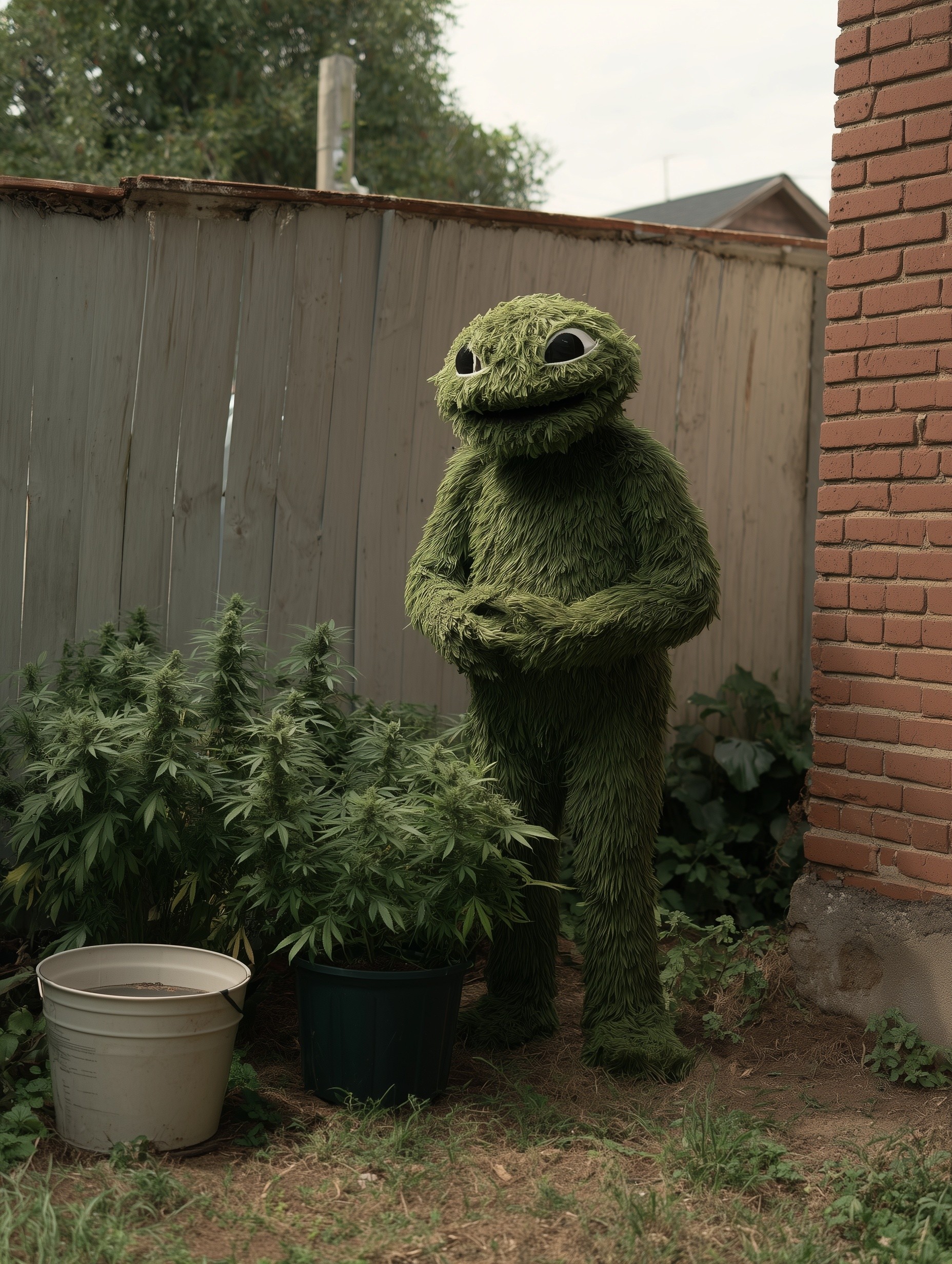
Memes are compressed opinion: they reveal what a community is proud of, tired of, suspicious of, or willing to repeat in public. For alternative-protein brands, that makes them useful qualitative signals—not a substitute for research, but a fast way to notice the language and anxieties shaping the category.really think. For the alternative protein industry, this memetic landscape is a goldmine of market intelligence, revealing consumer beliefs, brand vulnerabilities, and the cultural narratives shaping the future of food.
The conversation is fragmented. Some communities use humor to build belonging; others use the same formats to signal skepticism, identity, or distrust. Treating every reaction as a single market verdict is the mistake. The work is to separate a useful objection from a culture-war performance.
This guide helps teams read those signals responsibly: identify recurring tensions, distinguish audience-specific language from scalable insight, and decide when a brand should answer, observe, or simply make the product experience more convincing.
Here’s a quick cheat sheet to the key meme categories we’ll be diving into:
Meme Category | Core Themes & Tropes | Dominant Platforms | Prevailing Sentiment | Primary Community | Example Meme Format | Strategic Implication |
|---|---|---|---|---|---|---|
Vegan In-Group | Protein question, ingredient checking, ethical pride, food puns. | Reddit (r/veganmemes), Pinterest, Instagram | Positive, Humorous, Supportive | Vegans, Plant-Based | “How people see you after you go vegan” (image of a frail person vs. reality). | Community Building, Authentic Marketing, Brand Loyalty. |
Meat Analogues | Taste/texture debate (Impossible vs. Beyond), processed vs. natural, price. | Reddit, TikTok, Twitter | Mixed/Contested | General Consumers, Vegans, Critics | Side-by-side comparison of a real burger and a plant-based one. | Product Positioning, Health Messaging, Competitive Analysis. |
Lab-Grown Meat | Uncanny valley, fear (“it’s moving!”), futuristic hype, ethical debates. | TikTok, Reddit | Negative/Fear, Polarized | General Public, Tech Enthusiasts | Short clips of pulsating “meat” in a lab setting with horrified comments. | Proactive Perception Management, Public Education. |
Mycelium Meat | “Natural,” root-like, whole-food, unique texture, mushroom-based. | TikTok, Instagram | Generally Positive/Curious | Foodies, Health-Conscious | “Unboxing” or cooking videos showcasing the fibrous texture. | Ingredient Storytelling, Differentiation from “Processed” Analogues. |
“Soy Boy” | Anti-masculinity, political slur, anti-liberal, pseudo-science. | 4chan, Twitter, Reddit | Highly Negative/Hostile | Alt-Right, Anti-Vegan | Image of a physically weak man with glasses and an open-mouthed smile, labeled “Soy Boy.” | Reputational Risk Mitigation, Ingredient Branding Strategy. |
Vegan vs. Meat-Eater | Stereotypes (preachy vegan, ignorant meat-eater), confrontation. | TikTok, YouTube, Facebook | Negative/Conflict-Driven | General Public | Skits showing a vegan interrupting someone’s meal. | Brand Neutrality, De-escalation, Mass-Market Appeal. |
The Inner Circle: Decoding the Vegan In-Group’s Private Jokes
To understand the alt-protein market, you have to start with its core consumers. The memes created “for vegans, by vegans” are overwhelmingly positive and reveal the values, humor, and shared identity of this dedicated community.
The Never-Ending “Protein Question”
The single most common theme is the relentless questioning from non-vegans about protein intake. Memes about this serve as a collective eyeroll, turning a shared annoyance into a badge of honor. They range from witty, defiant graphics like “Where do I get my Protein? Bitch, Peas” to images of muscular gorillas with captions about plant-based strength. This shared experience creates a powerful sense of community.
The Struggle is Real: Dining Out and Social Life
A huge category of memes focuses on the challenges of navigating a non-vegan world. Think of the sad side salad being the only vegan option at a restaurant, or the common occurrence of restaurant staff confusing “vegan” with “gluten-free”. These memes reflect a collective desire for more acceptance and better options.
Celebrating Compassion (and “Accidentally Vegan” Discoveries)
Beyond the frustrations, vegan memes are a powerful way to express the ethical convictions that drive the movement. Many are designed to evoke empathy, showing “farm” animals in the same loving light as pets. This is a deliberate strategy to present veganism as a rational and caring choice. A particularly insightful meme format describes using delicious vegan food, like brownies, as a “Trojan horse” to gently introduce friends to the lifestyle. On a lighter note, the pure joy of discovering a mainstream product that happens to be vegan is a recurring and celebratory theme, representing a small victory in a world not always built for them.
The Great Pretenders: How the Internet Sees Plant-Based Burgers
When you move beyond the core vegan community, the conversation around meat analogues like Impossible and Beyond Meat becomes a public debate. Here, taste, texture, and health are all on trial.
The Impossible vs. Beyond Taste Test
The main event is the battle for mimicry. Online forums are filled with meticulous comparisons of taste and texture. For many, the goal is a perfect 1:1 replication of beef. Some users crown Impossible the winner for its realism, while others prefer Beyond, with some critics describing an unpleasant texture “like if oatmeal was a burger”. However, a different segment of consumers, including meat-eaters, praise the products for being “not as rich as real meat” and less greasy, appreciating them as a distinct category rather than a perfect forgery.
The “Ultra-Processed” Attack Meme
Perhaps the most effective criticism comes in the form of a simple, powerful meme: a side-by-side comparison of ingredient lists. On one side, “Ground Beef: beef.” On the other, a plant-based burger with a long, intimidating list of scientific-sounding ingredients. This visual taps directly into the consumer fear of “unnatural” or “processed” foods, effectively framing the products as a “chemical shitstorm”. In more extreme online communities, this narrative intensifies, with products derided as “seed oil sludge” and “cancer causing junk food”.
Health Food or Junk Food? The Great Debate
This “unnatural” framing fuels a debate over health. Critics and even some fans admit these products aren’t exactly “health food” but are “ultra-processed”. The defense from the vegan community is often that the choice is ethical, and that vegans “deserve junk food too”. This highlights a key challenge: the products are often marketed with a health halo but are vulnerable to being labeled as just another processed food.
The Final Frontier: Lab-Grown Meat, Mycelium, and the Battle for Perception
The public’s first impression of next-generation proteins is being formed right now on platforms like TikTok, and the narratives couldn’t be more different.
Lab-Grown Meat and the Uncanny Valley of Food
Why is it moving? This uncanny reaction from viewers highlights the gap between initial shock and the eventual acceptance of lab-grown meat.
Mycelium: The “Natural” Challenger
In stark contrast, mycelium-based products (derived from the root structure of mushrooms) are generating curiosity and culinary interest. Viral videos show creators unboxing and cooking whole slabs of mycelium, showcasing its unique, fibrous texture in a kitchen, not a lab. Brands are strategically positioning it as a “whole food” from “the amazing root-like structure of fungi,” which directly counters the “ultra-processed” critique that plagues other analogues. For now, the conversation is positive and focused on food, not fear.
Welcome to the Culture War: When Your Burger Becomes a Political Statement
The biggest threat to the alt-protein industry is its entanglement in political and cultural conflicts. Here, memes are not about taste or texture; they are about identity and ideology.
Anatomy of an Insult: The “Soy Boy”
The “soy boy” meme is a political weapon. Originating on 4chan’s /pol/ (“Politically Incorrect”) board, it was popularized by the alt-right to describe men perceived as lacking traditional masculine characteristics. The meme is based on the scientifically baseless claim that phytoestrogens in soy “feminize” men by lowering testosterone. In reality, meta-analyses of clinical studies have repeatedly shown that normal consumption of soy has no significant effect on male reproductive hormones. The insult is visually represented by a man with an open-mouthed smile and glasses, and it carries misogynistic and racial undertones by devaluing femininity and playing on stereotypes of Asian men.
My Steak, My Protest: Meat as a Political Identity
In this politicized climate, eating meat can be framed as an act of political resistance. It’s positioned as a defense of tradition and freedom against a perceived liberal agenda to force everyone to eat soy and bugs. This turns a trip to the grocery store into a political act, where buying a plant-based burger is seen as endorsing a “woke” ideology. This conflict is endlessly memed in skits popular on TikTok, which often depict a stereotypical “preachy” vegan harassing an innocent meat-eater, reinforcing the idea that this is a space of social conflict.
What brands can do with the signal
Memetic research is most useful when it changes a real decision: a message to test, a misconception to address, a creator community to learn from, or an issue that does not deserve brand oxygen.
1. Segment the tension before you write the response
Separate core advocates, curious buyers, and ideological critics. They do not need the same message, product proof, or level of attention.
Create a Bifurcated Portfolio: Develop two distinct product lines. First, a “Seamless Swap” line engineered for perfect 1:1 replication of meat to attract mainstream meat-reducers. Second, a
“Plant-Forward”…prefer an option that is good ‘in its own way.’Aggressively Pursue “Clean Labels”: The “long ingredient list” meme is the category’s Achilles’ heel. Brands must invest in R&D to simplify ingredient lists and champion whole-food alternatives like mycelium, which can be marketed as a “natural” product from the “root-like structure of fungi.”
2. Frame around a product truth you can demonstrate
A brand cannot win every argument online. It can make its own language clearer, show the experience more concretely, and avoid feeding a false premise with defensive creative.
Win the Visual War for Novel Proteins:…from the sterile, unsettling lab to the delicious…
Develop a Proactive “Soy” Strategy: The “soy boy” meme is a targeted political attack that cannot be ignored. Brands using soy must make a choice:
Avoid it in favor of other proteins like pea or mycelium; Defend it with a sustained, evidence-based campaign highlighting its health benefits; or Target marketing primarily towards demographics less vulnerable to the insult, like women.
3. Make belonging easier than conflict
Mass-market work earns its reach by inviting people into a useful behavior or shared pleasure—not by asking them to adopt the category’s loudest identity.
Actively Depoliticize the Brand: Frame marketing around universal values: delicious taste, family BBQs, convenience, and innovation. Studiously avoid political signaling that allows your product to be labeled as “woke” food.
Model Social Harmony: The internet is saturated with “vegan vs. meat-eater” conflict memes. This makes the category feel socially risky for new consumers. Brands must counter this by creating and promoting content that models harmonious eating. Show mixed groups of vegans and non-vegans enjoying the product together. The goal is to make your product feel socially safe to adopt—a bridge between diets, not a wall.
Build culture-aware work by starting with the audience’s language, then earning the joke with a product truth. If you want help pressure-testing the angle, book a 15-minute call.book a 15-minute call.
Works cited
Right Foods Favorite Vegan Memes, https://rightfoods.com/blogs/blog/right-foods-favorite-vegan-memes
Vegan Memes: 45 Plant Based Jokes for the Vegans, https://thunderdungeon.com/2024/02/29/vegan-memes/
Beyond Meat and Memes: Mapping the vegan activist discourse on Tik Tok and Instagram, https://www.youtube.com/watch?v=AFpRdfn37QE
Vegan Memes Funny - Pinterest, https://www.pinterest.com/ideas/vegan-memes-funny/915177789954/
210 Best Vegan Memes ideas - Pinterest, https://www.pinterest.com/paulinasstatue/vegan-memes/
Beyond Meat & Memes | School of Social and Political Science, https://www.sps.ed.ac.uk/news-events/event/beyond-meat-memes
Debunking the ‘Soy Boy’ Myth, With Science - Sentient Media, https://sentientmedia.org/debunking-the-soy-boy-myth/
I Tried 9 Fake Meats and the Best Tasted Just Like the Real Thing, https://www.eatthis.com/best-plant-based-meats-ranked/
25+ Vegan Memes for Nutritional Yeast Enthusiasts - Memebase - Cheezburger, https://cheezburger.com/24532997/25-vegan-memes-for-nutritional-yeast-enthusiasts
Soy boy: What does this online insult mean? - The Independent, https://www.independent.co.uk/life-style/soy-boy-insult-what-is-definition-far-right-men-masculinity-women-a8027816.html
Mushroom Mycelium Steak Unboxing: The Future of Meat … - TikTok, https://www.tiktok.com/@fascinatedbyfungi/video/6836838130436377861
Delicious Vegan Meat Alternatives with Mushrooms | TikTok, https://www.tiktok.com/@onegreatvegan/video/7470593323204562222
Mycelium Memes and Images - Imgur, https://imgur.com/t/mycelium
Lab grown/cultured meat. Yay or Nay? #culturedmeat #labgrownmeat #fa… | TikTok, https://www.tiktok.com/@portnoomarketgarden/video/7343630575552564512
An Anatomy of the Soy Boy // New Socialist, https://newsocialist.org.uk/an-anatomy-of-the-soy-boy/
Protein politics: Meat, plant-based alternatives and the food …, https://ephemerajournal.org/contribution/protein-politics-meat-plant-based-alternatives-and-food-conspiracy-theories-feed-alt
It’s showtime. #labgrownmeat #labgrown #labburger | happy meat …, https://www.tiktok.com/@providingforthecommunity/video/7248693517688556846
Other articles


LATEST PROJECTS
a collection of work we're proud of